

Bariatric Transport Wheelchair
Developed to be pushed by caretakers, transport chairs include smaller sized front wheels and larger rear wheels. They are a popular choice for users with minimal mobility who can not walk independently.
When shopping for a lightweight bariatric transport wheelchair, think about the user's requirements and how they'll utilize the chair. Likewise, determine any entrances and other areas the chair will travel through.
Seating
Bariatric transport chairs feature a large 22 to 36 inch wide seating area that accommodates extra-large users. The chair seat is made from breathable nylon and comes with cushioned arms that can be eliminated and swing-away footrests. Unlike basic wheelchairs, which are ideal for average body weights, bariatric chairs have actually heavier frames built from strengthened materials and bigger rear wheels that make it much easier to push them. Talk to a mobility specialist for more information about your alternatives and to determine which kind of wheelchair is best for you. Bariatric wheelchairs are often covered by insurance coverage suppliers like Medi-Cal if your medical condition meets their coverage requirements.
Frame
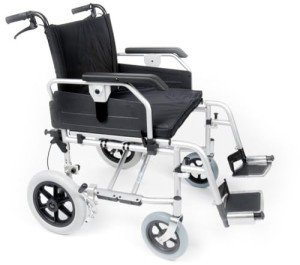
Bariatric transport wheelchairs use heavy-duty frames made of strengthened products like steel and have larger seats than basic wheelchairs. They are designed for individuals with higher body weights and can hold an optimum weight capacity of 700 pounds. They likewise have bigger rear wheels, which make them much easier for caretakers to push. Bariatric wheelchairs are typically covered by insurance coverage such as Medi-Cal, depending upon the patient's specific medical needs and medical diagnosis. Ask a health care professional or mobility expert to assist choose the best chair for your distinct requirements.
Click here for more information. Medline Bariatric Transport Chair. Crimson Hammertone Frame.
Weight
While standard wheelchairs have lighter frames and smaller sized wheels, bariatric transport chairs include heavier-duty materials and a broader seat to accommodate users who weigh more than average. Due to the fact that of their specialized style and building, they tend to cost more than standard chairs. Nevertheless, some insurance programs like Medicare and Medi-Cal might cover the expense of these chairs if the user meets the requirements for protection. To find out more about which chair is right for you, contact a rehabilitation specialist today.
bariatric manual wheelchair have larger rear wheels than standard designs, making them easier to push. They're typically used in hospitals and home settings, where the chair is pushed by caretakers. The extra-large rear wheels also enable the chairs to navigate a variety of surface, consisting of outdoors.
Standard wheelchairs typically have smaller wheels, that make them more maneuverable indoors but less appropriate for daily use on outdoor streets and other surface areas. Mobility professionals suggest seeking advice from a healthcare supplier or mobility professional to pick the best wheelchair for your particular needs and goals.
This sturdy, nylon reinforced steel transport chair supports clients up to 500 pounds and includes a large 22" seat, cushioned desk-length armrests, swing-away footrests and hand brakes. The 12-inch rear wheels ensure a smooth ride in any environment.